
Despite the fact that this year’s competitive films have included a slew of eye-catching titles (Holy Spider, Decision To Leave, and the contentious Triangle Of Sadness), none has carried the weight of a Palme d’Or winner. None of these films has seemed like the kind of critical darling that, like Parasite in 2019, lingers around to muscle its way into the end-of-year awards debate after its initial run on the Croisette. Thus, it’s no surprise that as the 2022 festival comes to a close, Lukas Dhont’s second film Close has been met with both praise and relief. So far, this is the closest thing we’ve seen in the arts to breakout success.
It’s a picture that, like CODA at the Oscars in March, quietly rises to the top by virtue of being everyone else’s second favourite film. If Dhont were to win this year’s coveted top prize, there would be few who would begrudge it. As a poignant coming-of-age story, this one about two childhood friends who inexorably drift apart during their first year in high school follows in the tradition of films like Truffaut’s The 400 Blows, Barry Jenkins’ Moonlight, and Call Me By Your Name that has gone on to become classics and cultural touchstones.
Close will have to wait and see whether it has what it takes to join the ranks of the others.
However, if the sneezing and lumps in the throat are any indications, it’s already here. The way Dhont makes us care for and engage in his young characters strikes us as a little deceptive, but that’s okay since he then delivers a devastatingly emotional sucker blow that leaves us sprawled on the canvas. It’s all in the service of building more empathy for individuals who don’t comply with society’s rigorous rules and are embarrassed and outcasts for it, like in his 2018 feature debut Girl. In order to avoid giving anything away, we can only say so much about the deep bond between the two main characters.
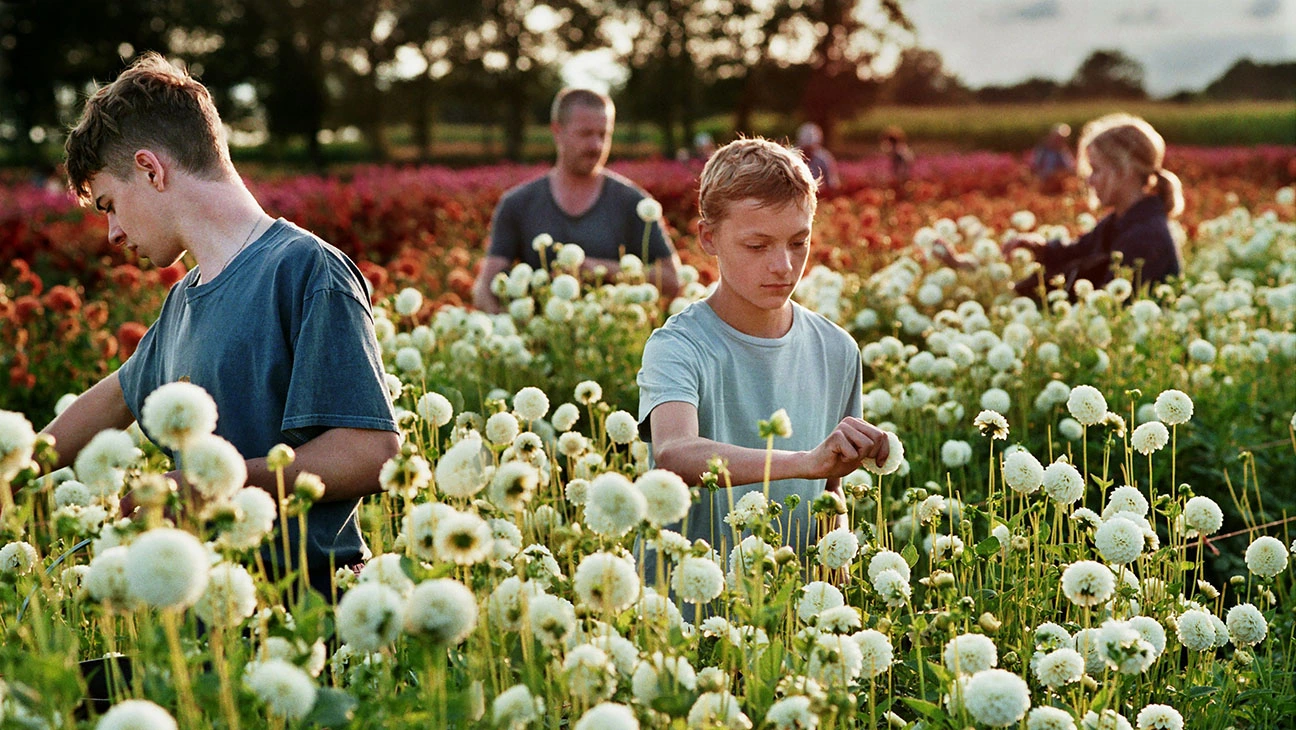
When we first meet Léo (Eden Dambrine) and his closest friend Rémi (Gustav De Waele), they’re the thickest of thieves, roaming about the flower fields maintained by the former’s parents or sleeping together in one other’s messy dormitories without even a second thought about their actions. When the new school year begins, the other students begin to taunt and humiliate Rémi for his neediness and tactlessness. In Léo’s case, this means ignoring his less adaptable buddy and neighbour in favour of assimilating and fitting in. Last year’s Cannes premiere of Playground, another Belgian film, explored the ruthlessly Darwinian systems of the schoolyard.
For Léo’s treachery, however, he will have to pay the price for the rest of the year and perhaps his whole life. But the picture belongs to Dambrine’s baby-faced face, his deep saucer eyes communicating an ocean of grief, guilt and perplexity as the repercussions of his deeds are brought home to him. As seen at the moment where Léo continually strikes the merciless walls of an ice rink, there is something flagellatory about the sport of ice hockey that Léo has chosen to pursue.
Rémi’s mother Sophie (Emilie Dequenne) does not demonstrate compassion but rather embodies it, which is what Léo needs to be able to forgive himself for the sake of Rémi. This year’s Golden Palm went to the Dardenne brothers’ coming-of-age story, Rosetta, thanks to Dequenne’s prize-winning first performance in 1999. A decision on this year’s prize will be made in the near future.
Close has not yet been released in the United Kingdom or the United States.